Our Impact
From advancing research and supporting families to building awareness and creating community, every step forward helps make rare diagnoses more visible, understood, and supported.
Moving Lissencephaly Research Forward
Liss Not Less is proud to partner with Children’s National through the Liss Not Less Special Purpose Fund, created specifically to support lissencephaly research.
Thanks to the generosity of our community, contributions made to the Special Purpose Fund goes directly toward research—helping advance genetic discovery, imaging research, clinical programs, and the next generation of questions scientists are asking about lissencephaly.
Your support is already helping turn rare-disease research into real momentum.
New Genetic Insights
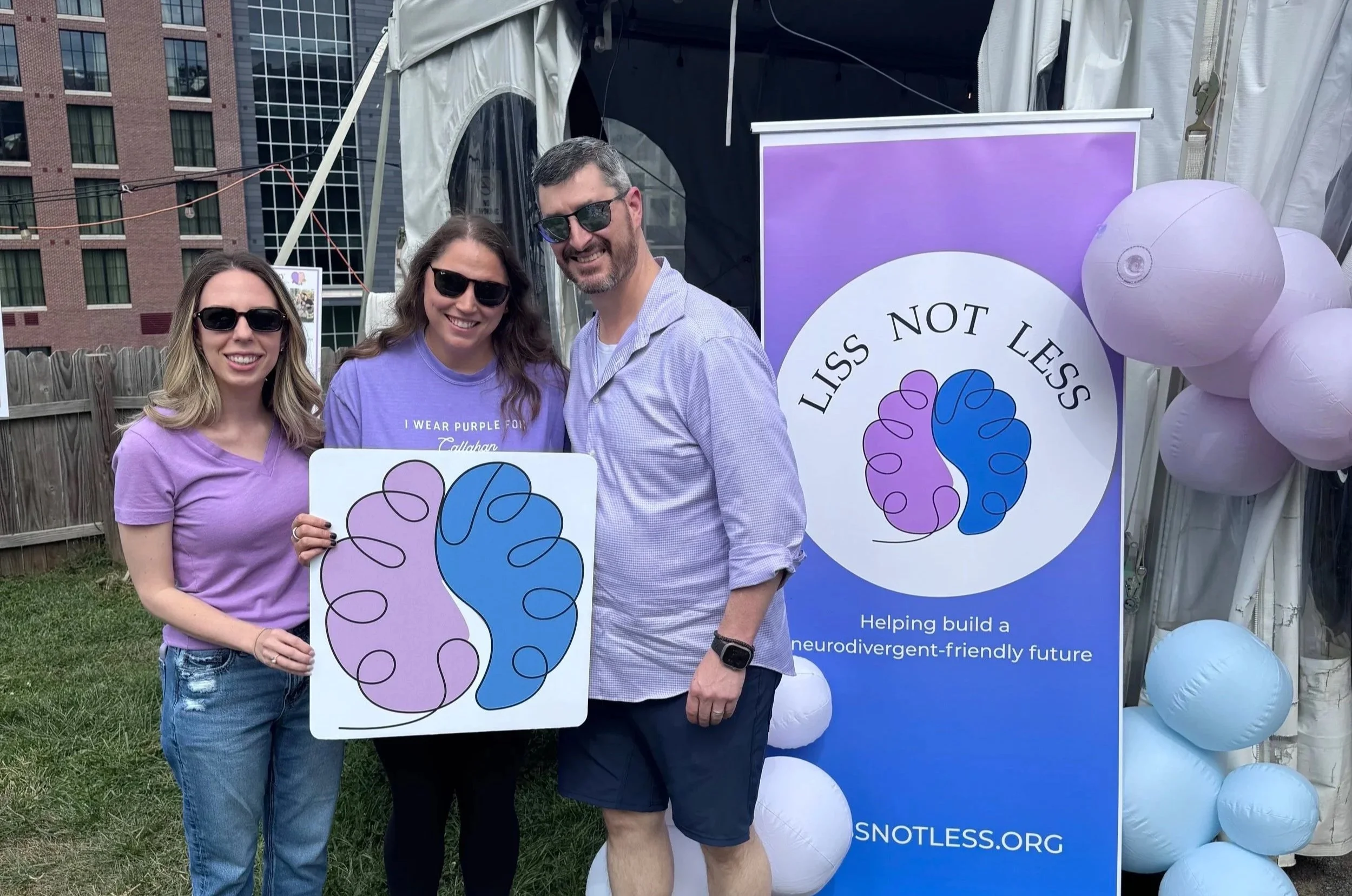
Further analysis of genetic data by Dr. Wei-Liang Chen and Dr. William Dobyns has identified potential new genes that may be associated with lissencephaly. If confirmed, these findings could add to scientists’ understanding of how the condition develops and potentially help explain cases that do not yet have a clear genetic answer.
The next step is validation. Researchers would need to develop stem cell models or cerebral organoids — sometimes called “mini brains” — from patient cells in a specialized research laboratory to study how these genetic changes affect early brain development.
Funding helps move this work from a promising genetic signal toward the deeper laboratory research needed to understand whether these findings could represent something entirely new.
Building a Global AI Dataset
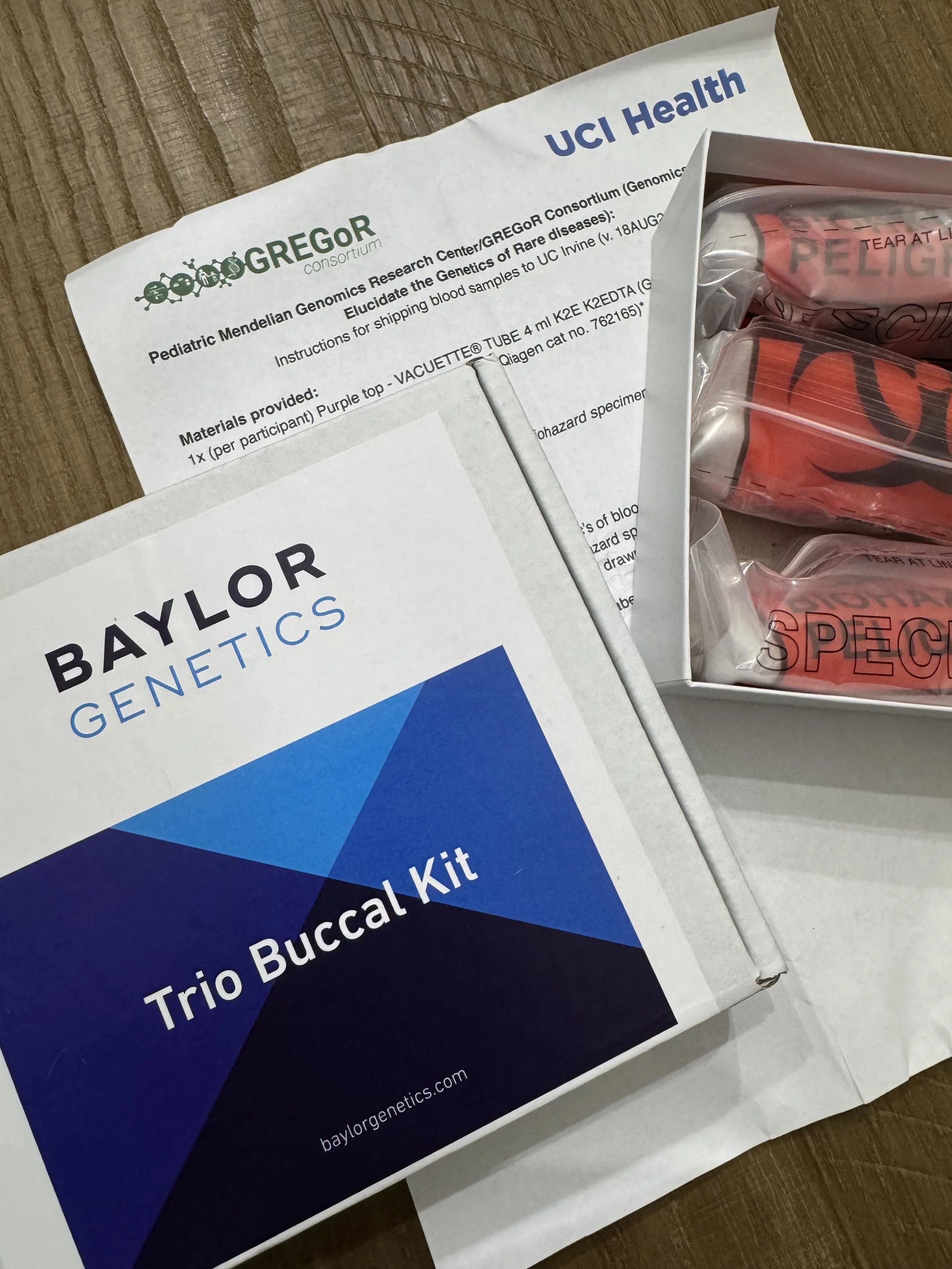
Children’s National is developing a HIPAA-compliant, cloud-based databank that brings together genetic and MRI data from individuals with rare genetic brain disorders. In 2026, the project reached a major milestone as the collection grew into what could become one of the largest datasets of its kind in the world.
For conditions like lissencephaly, where individual cases are rare and data is often scattered across institutions, bringing this information together creates new opportunities for researchers to identify patterns, compare findings, and apply artificial intelligence to questions that would be difficult to study otherwise.
A stronger dataset means stronger research — and a greater opportunity to uncover connections that could advance our understanding of rare brain malformations. Your funds are helping to build and manage this incredible resource.
Developing a Brain Malformation Clinic
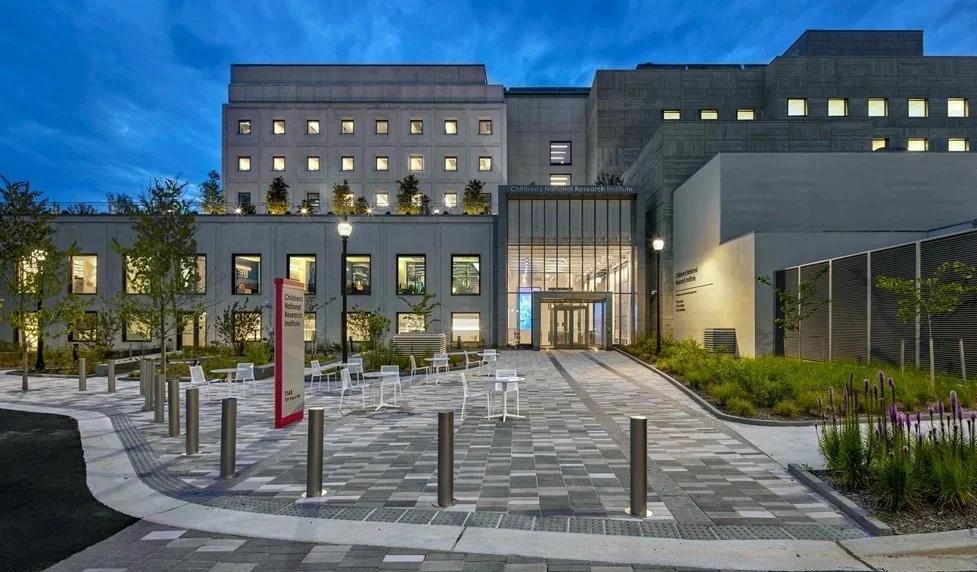
Children’s National has launched its Brain Developmental and Genetics Program, a dedicated clinic for patients with brain malformations such as lissencephaly. The program brings together specialized expertise in brain development and genetics, creating a more focused pathway for families whose diagnoses often require highly complex, multidisciplinary care.
Funds from the Liss Not Less Special Purpose Fund helped support the development of the program and continue to support its operations today.
AI Research Presented Internationally
Donor-funded research is using artificial intelligence to analyze brain MRIs and better identify structural brain malformations associated with rare neurological disorders like lissencephaly. The goal is to uncover patterns that may help researchers better understand these conditions, investigate their genetic causes, and ultimately improve how rare brain malformations are recognized and studied.
In 2025, preliminary findings were presented at the Child Neurology Society Conference, where the work generated interest from other research groups. In 2026, the findings continued to reach new audiences through presentations at the Mowat-Wilson Syndrome Conference and National Taiwan University, with another presentation planned for the Society for Neuroscience Annual Meeting this fall.
For a condition as rare as lissencephaly, this kind of visibility matters. Every presentation puts the research in front of more scientists—creating opportunities for collaboration, new questions, and discoveries that can move the field forward.
Changing Perspectives
Each March, our community wears purple for National Purple Day, creating thousands of opportunities to start conversations about lissencephaly and rare neurological diagnoses. Those conversations help challenge assumptions about what disability is supposed to look like — especially for children whose diagnoses may not be obvious from the outside.
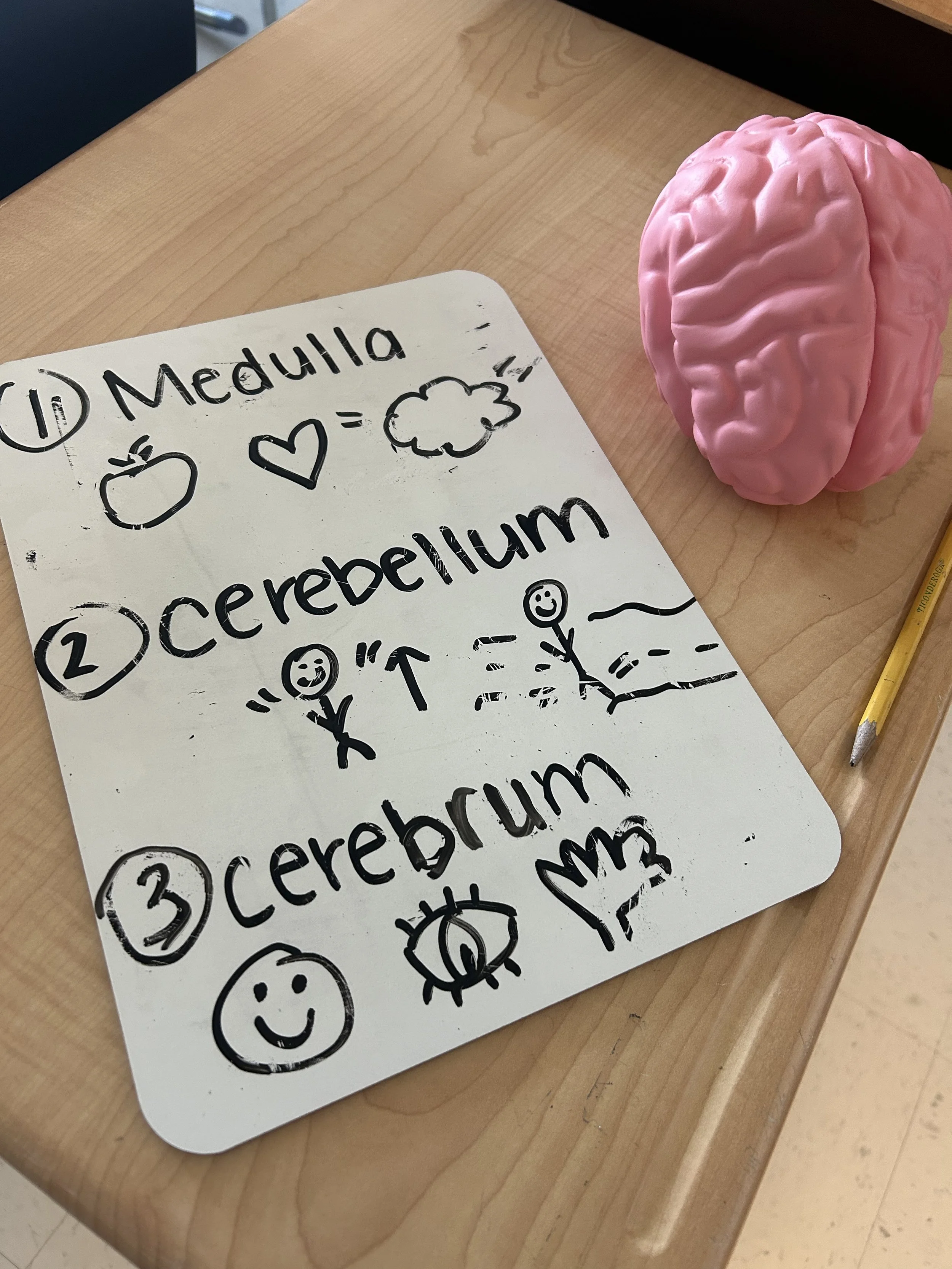
That shift can be as simple as changing the language we use. Educators have told us they now teach that “most brains are bumpy,” rather than presenting one version of brain development as universal. It also means being more thoughtful when talking with parents about milestones, behavior, or development, recognizing that there may be far more happening beneath the surface than anyone can see.
But the impact goes beyond awareness. Liss Not Less also helps families navigate the practical realities of a new diagnosis by sharing resources, therapies, equipment, programs, and lessons learned along the way.
Sometimes making a difference means changing a perspective. Sometimes it means helping another parent find one answer a little faster or feel a little less alone while they learn to navigate the unknown.
Building Community
Liss Not Less continues to connect families, clinicians, educators, businesses, and community partners around a shared goal: making rare diagnoses feel less isolating.
Recognition that Matters
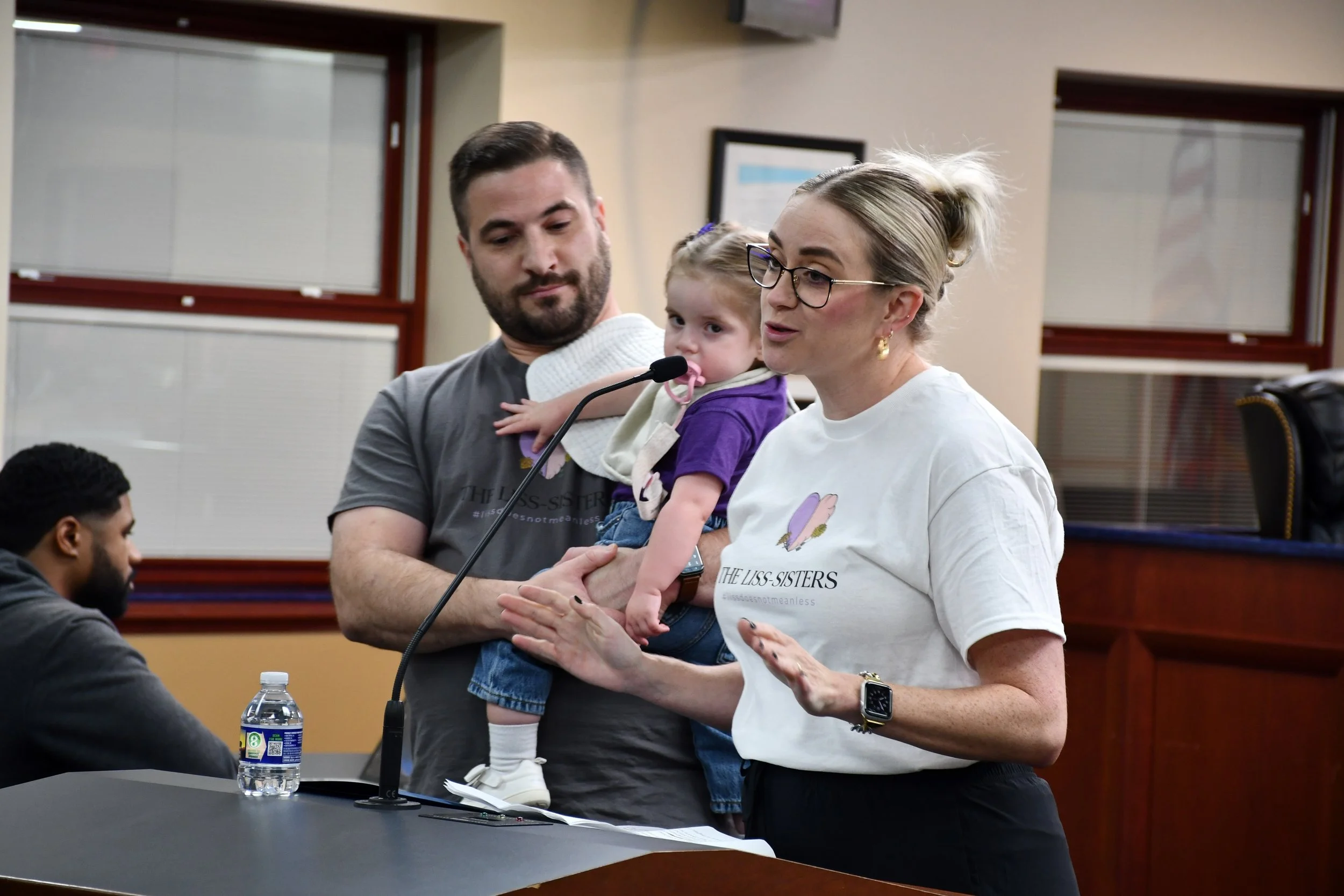
In 2025, our hometown officially proclaimed September 8 as Lissencephaly Awareness Day—turning a rare diagnosis into something recognized by the broader community.
That same year, in December 2025, Liss Not Less officially became a 501(c)(3) nonprofit organization, giving us a stronger foundation to grow our work, support research, build community, and serve families impacted by rare neurological conditions.
Together, these milestones represent more than recognition on paper. They reflect growing visibility, credibility, and momentum for a diagnosis that too often goes unseen.
Awareness starts with recognition. Recognition creates understanding. And understanding helps build communities where rare families feel seen, supported, and included.
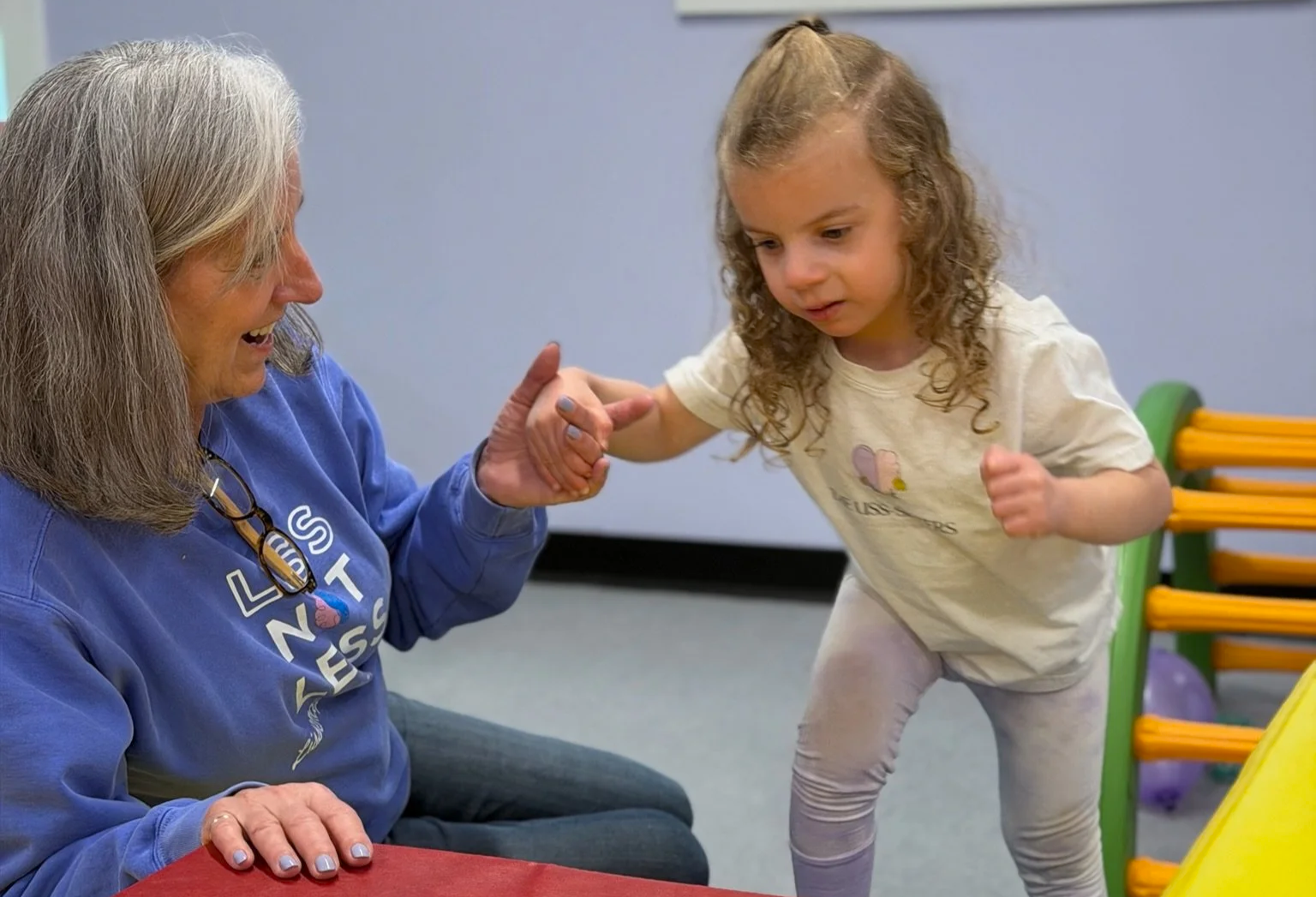
Awareness In Action
There is no one way to build awareness—and that is exactly the point.
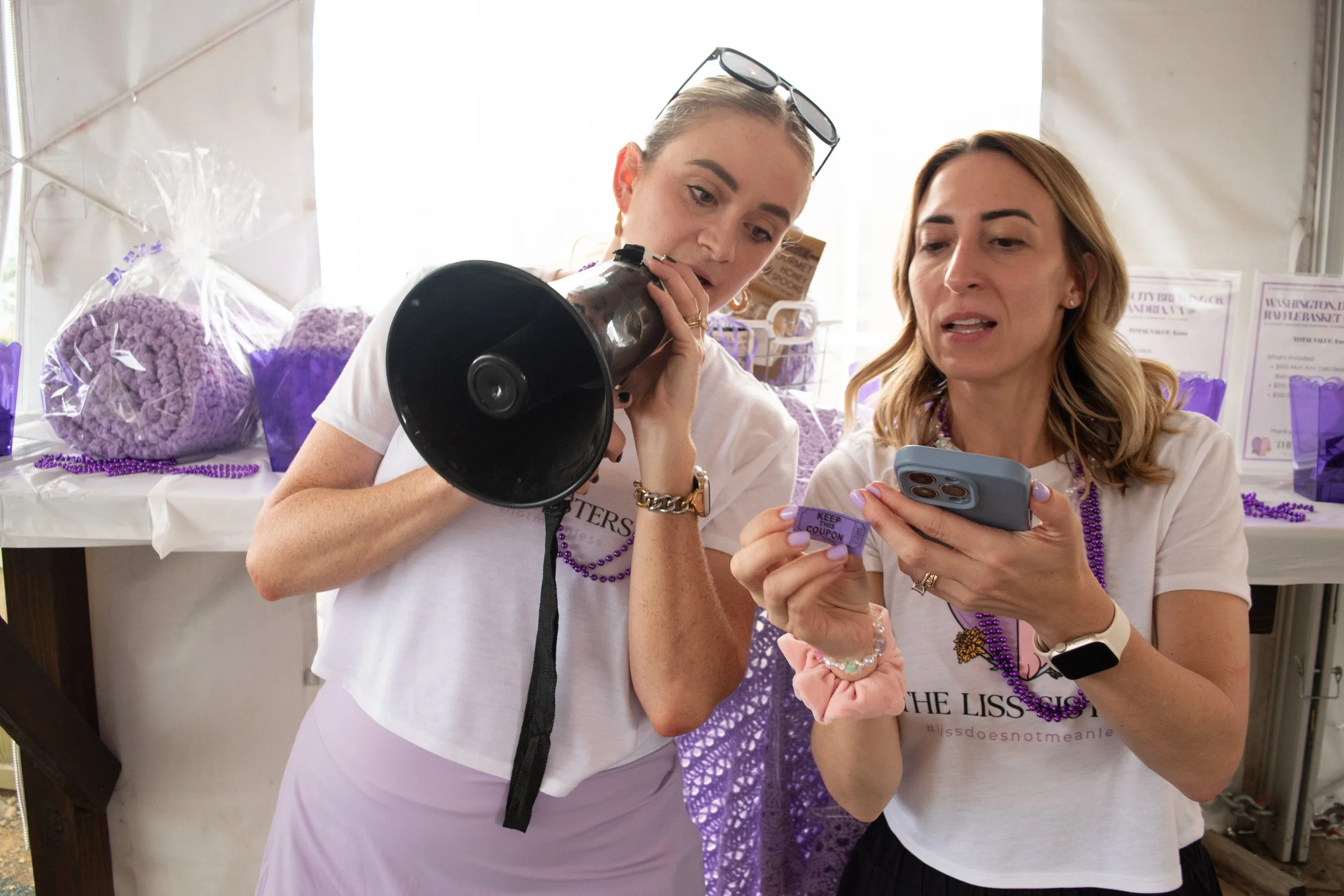
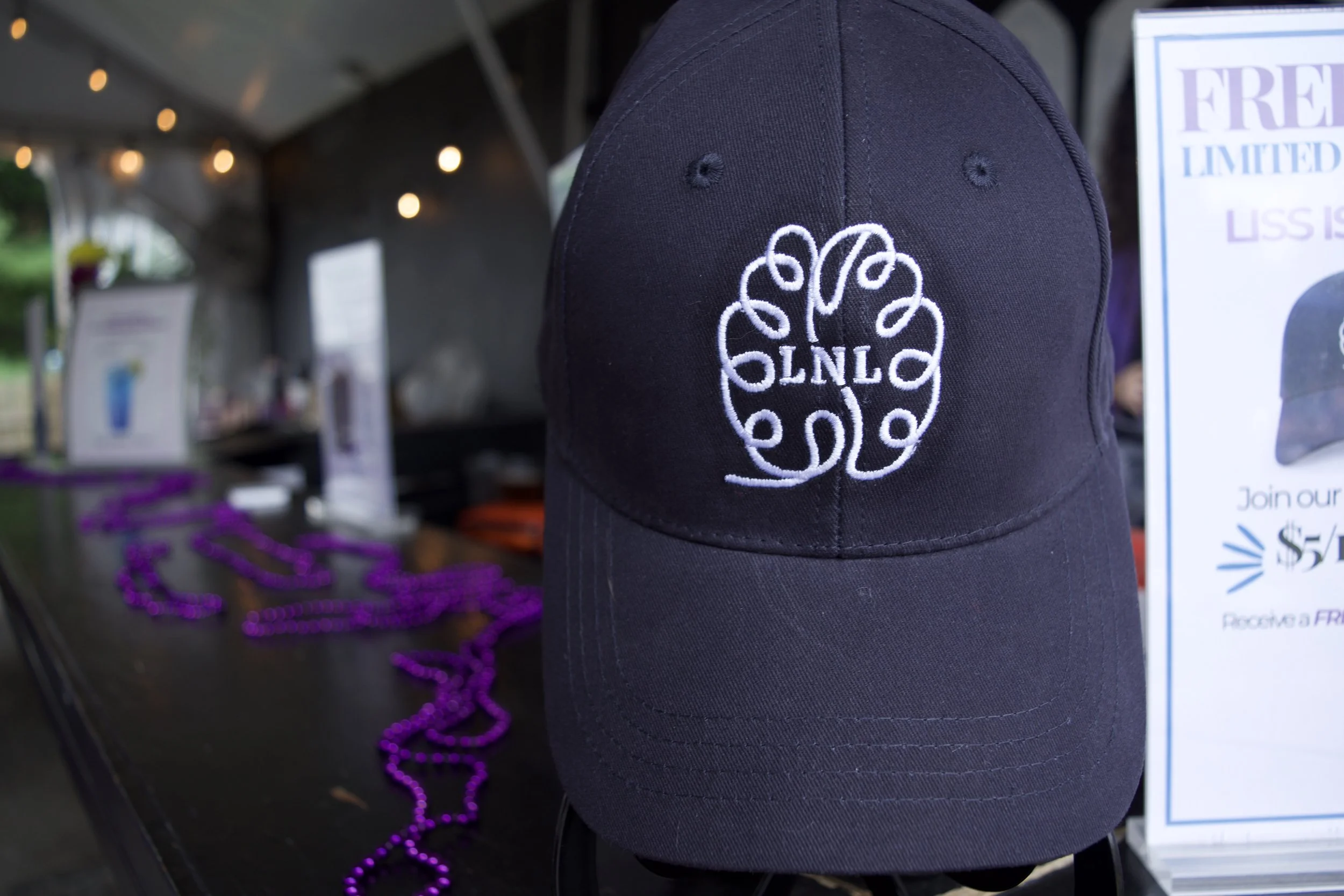
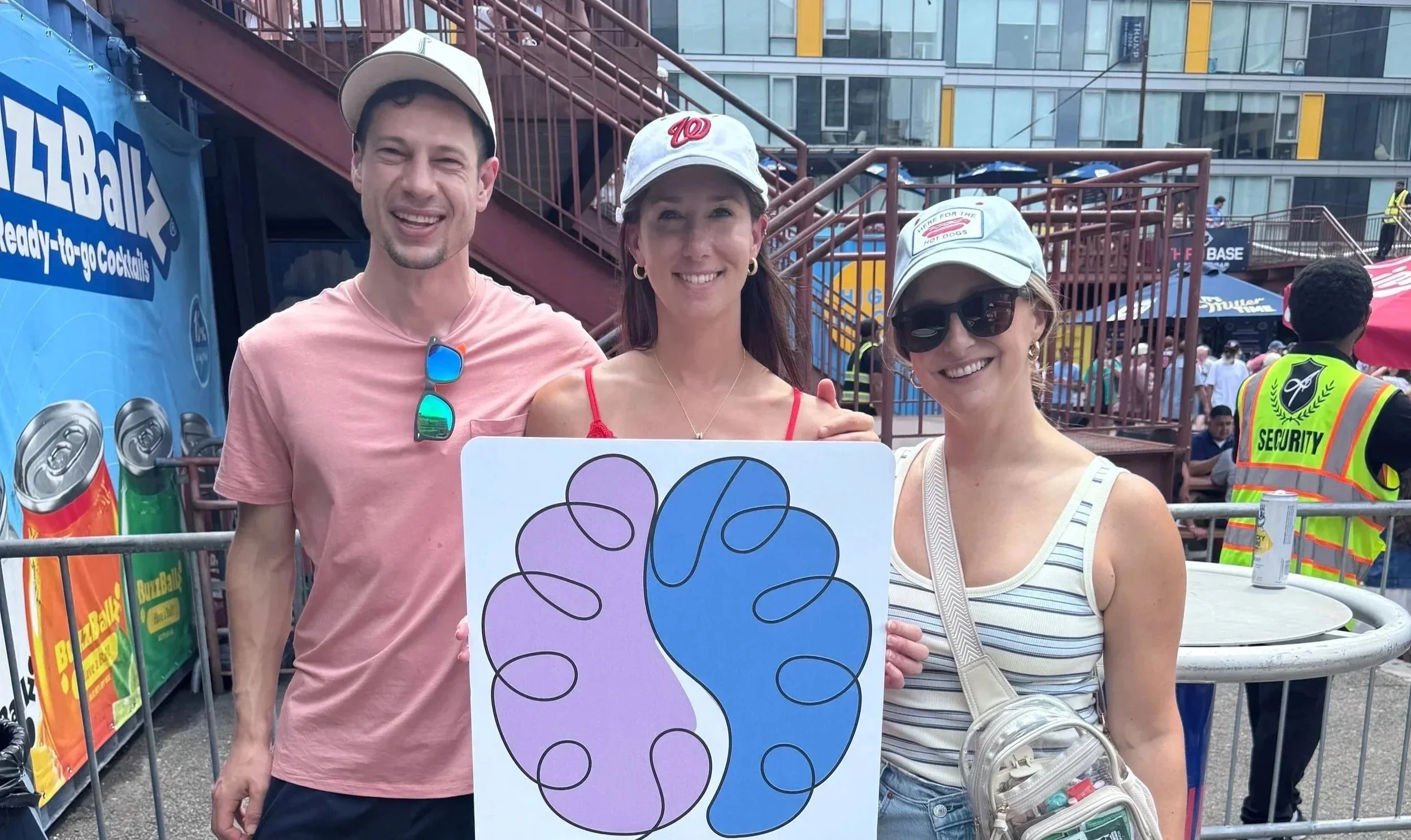
From our annual Lissencephaly Awareness Fundraiser to rare-disease play nights, college lacrosse games, family days on the farm, and a night at the ballpark, Liss Not Less has brought our mission into spaces where people already gather, celebrate, and connect.
Each event creates a different entry point into the conversation. Some introduce families to lissencephaly for the first time. Others bring rare-disease families together, strengthen community partnerships, or simply create a place where everyone can feel included.
By meeting people where they are, we are helping make lissencephaly more visible, more understood, and more connected to the communities around us.